

Two writers are trapped inside their own stories and can only get out together.
local2online2Co-op scopeTwo-player onlySuitable fromCasual–HobbyReleased6 Mar 2025
PairPlayers
A co-op tag does not make a good evening together. We sort by what matters to a duo: does one copy do it, can you play the whole campaign together, and does it still work when one of you is far better?
Two writers are trapped inside their own stories and can only get out together.
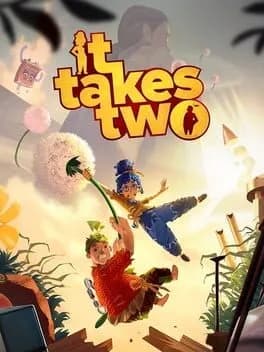
Two parents on the brink of divorce wake up as rag dolls. Neither of them gets back into their own body alone.
One of you sits in front of the bomb, the other holds the manual — and neither may see what the other sees.

Batman’s beginnings in LEGO bricks, with Arkham-style combat and an open Gotham — the whole story for two on a split screen.
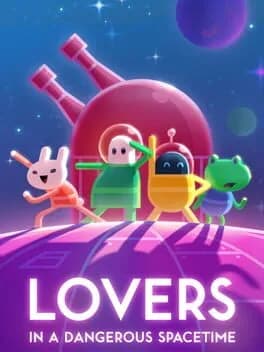
A spaceship with more stations than two people can crew at once.
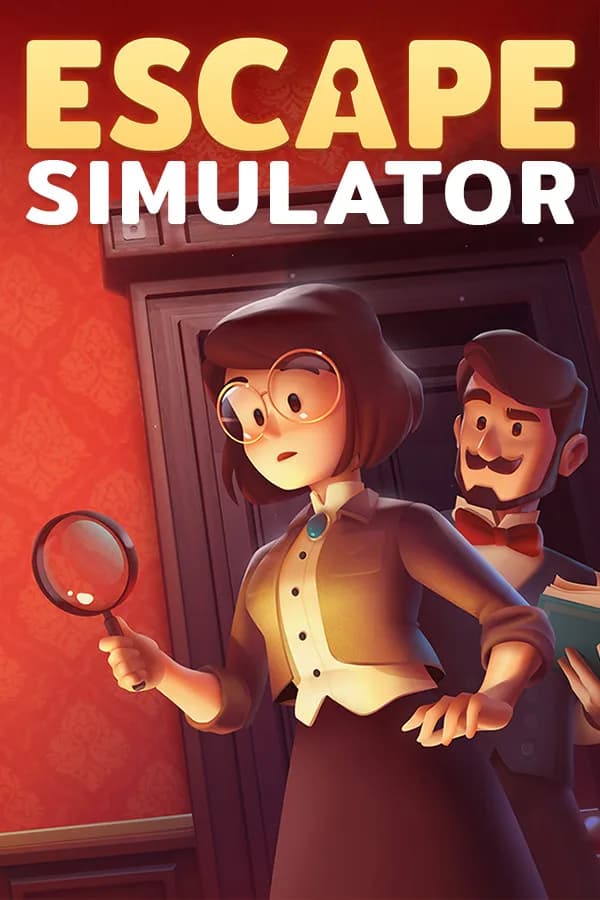
Escape rooms for the living room: pull out drawers, smash pots, find the way out.
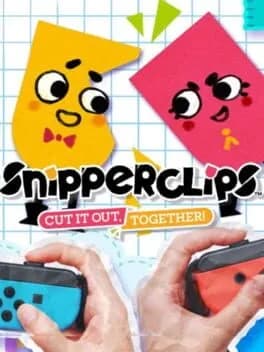
Two paper figures snip each other into whatever shape the puzzle happens to need.
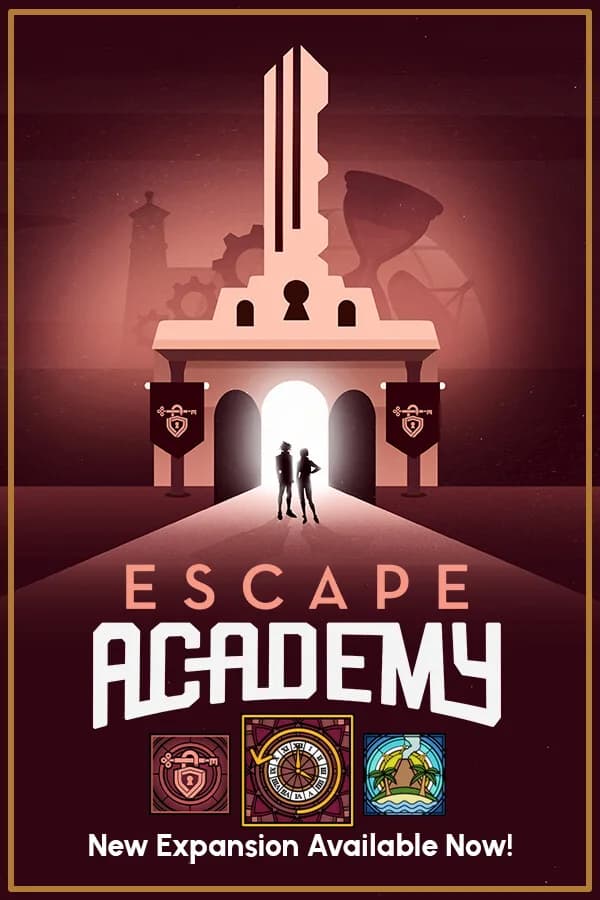
A school for escape artists, and every exam is a room with a clock.

Two robots, two portal guns, one test chamber after another — and a computer doing its level best to turn you against each other.

Two siblings search for their missing friends, and the camera never lets you more than a step apart.
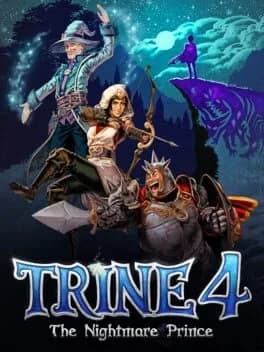
Three heroes — a wizard, a thief and a knight — and puzzle after puzzle that gets easier with two.
A tiny blocky platformer that gets past not one single level without you two talking.

Separated inside a snowbound castle, connected only by a radio — and each of you sees something different.
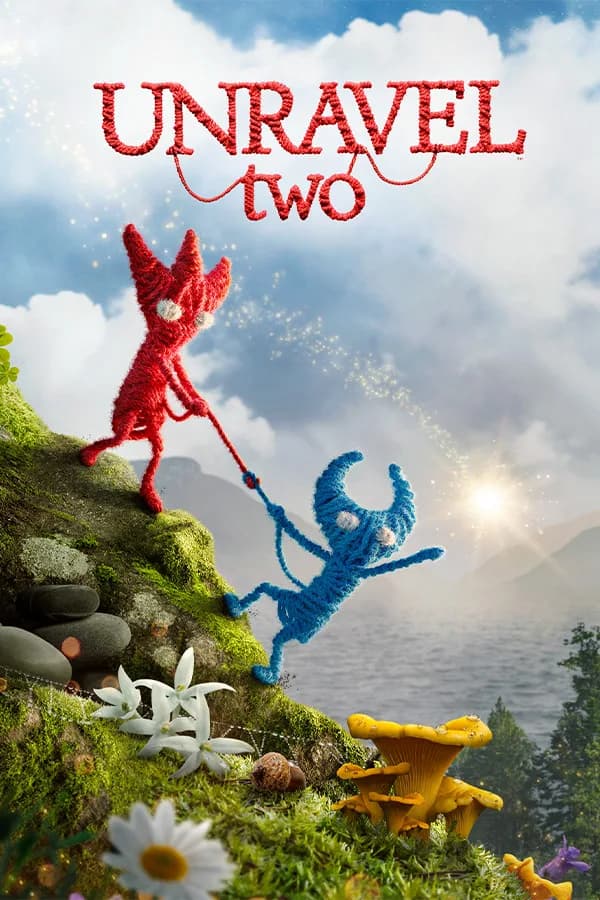
Two yarn figures, joined by a single thread, climb together through a warmly lit world.
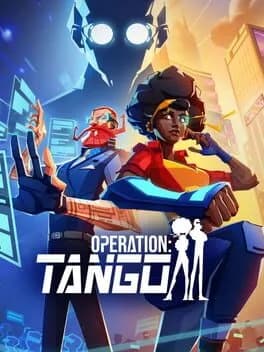
One of you is inside the building, the other at a terminal, and you see completely different things.
A dark house, a ghost, and instruments that tell you only half of it.
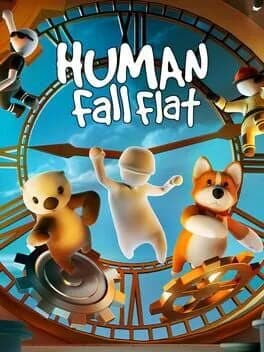
Two wobbly rubber figures solve puzzles in dreamlike landscapes — though the falling off takes up the larger share.