
Two hours, that's it
How long a game is tells you almost nothing about whether you can start it on a Tuesday night. The question that matters is a different one — and it leads to surprising picks.
25 August 2026
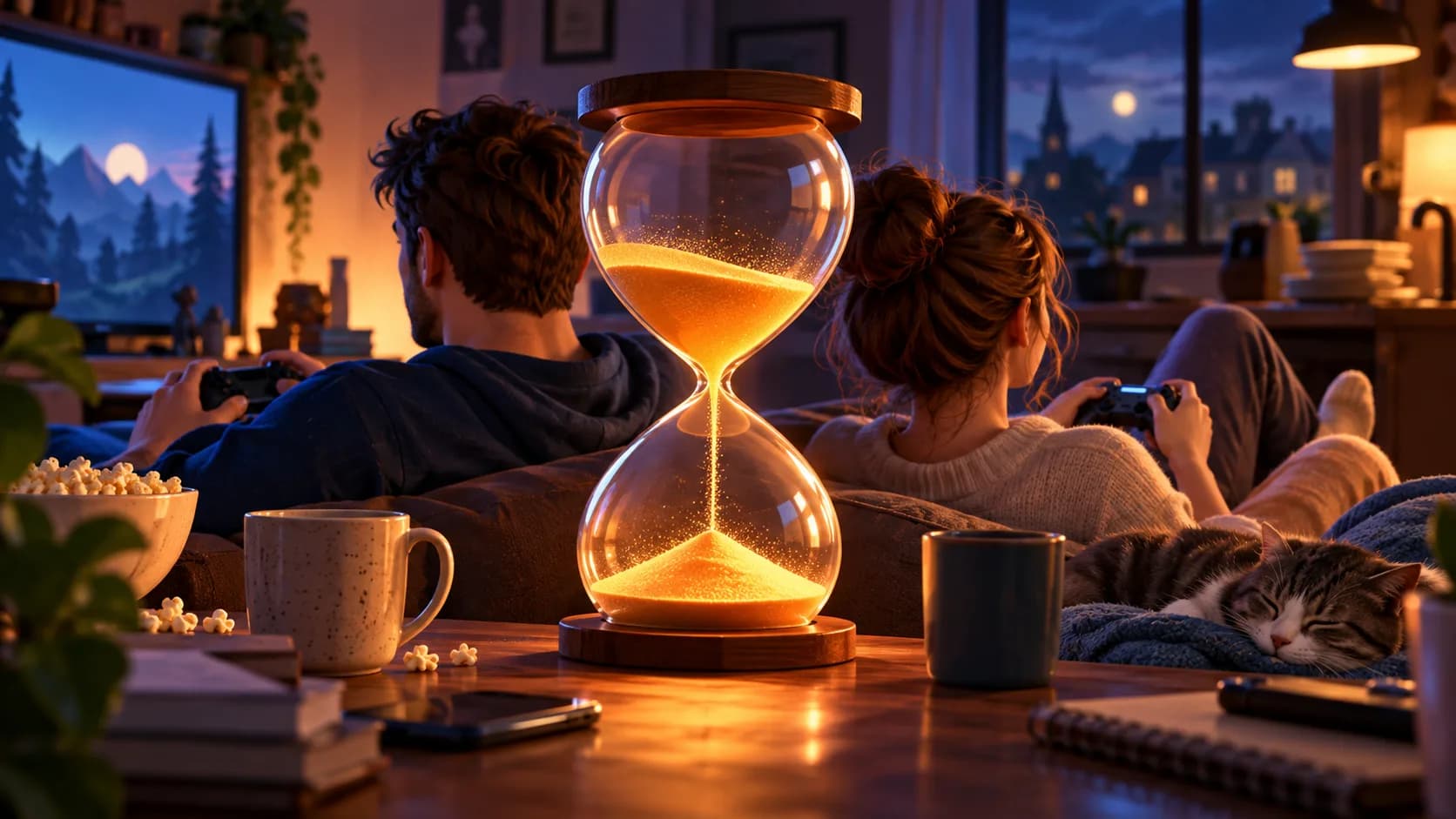
It's half past eight. The dishes are done, tomorrow is a work day, and you have two hours. The question isn't which co-op game is best. The question is what you can switch off at half past ten without it hurting.
Most recommendation lists answer something else. They sort by length: "forty hours of co-op campaign" reads like a promise. On a Tuesday night it's closer to a threat — and above all it says nothing about whether you can get out after ninety minutes.
Those two numbers have less to do with each other than you'd think. That's why we keep them apart: how long a game is in total, and when you can stop. Count the combinations and something turns up that runs against the gut feeling.
The longest game is the most flexible one
Baldur's Gate 3 takes over forty hours — and you can still close it whenever you like. It saves almost anywhere, not just at checkpoints. You stop mid-conversation and pick it up on Thursday exactly where you left off.
A Way Out is a fraction of that length and still the worse pick for a short evening. It thinks in chapters of a good half hour, and it's a prison-break film: stopping halfway through works, but it costs you the thread.
The difference is starkest with Chained Together. Under five hours long, one of the shortest games here — and the one where stopping costs the most. You're on a chain, climbing upwards, and one mistake drops you both a long way down. Switching off at half past ten means switching off mid-fall.
Anytime means: really anytime
A dozen games here let you stop at any point at all. That sounds obvious, but it isn't: it requires saving anywhere, and most games don't do that.
Minecraft, Valheim, Grounded and Terraria belong to this group. Building games have no dramatic arc to cut through. You put the shovel down and the world waits.
Spiritfarer is the calmest case of the lot. No losing, no timer, no reason to rush — the game takes it in stride when you leave.
The quarter hour as a building block
The largest group here thinks in bites of under fifteen minutes. For a weeknight that's the most dependable shape: you start without knowing how much time you have, and you stop when a round is over.
A race in Mario Kart 8 Deluxe takes four minutes, a full cup barely a quarter of an hour. A level in Rayman Legends or Super Mario Bros. Wonder is done in a few minutes. Streets of Rage 4 runs under five hours in total and still splits into stages that work on their own.
Stardew Valley solves it through the calendar: one in-game day takes about fifteen minutes, and when your characters go to bed, the game saves. Here the exit isn't a menu function — it's part of the story.
When the game wants an hour
Just under a third of the games here demand a block: half an hour to forty-five minutes in one go, sometimes more. That isn't a flaw, it follows from how they're built.
Luigi's Mansion 3 and Trine 4 think in floors and chapters. We Were Here Together puts you in separate rooms and has you solve puzzles over the radio — stopping halfway means throwing away half a train of thought and explaining it all again next time.
Divinity: Original Sin 2 is the extreme case. A single fight can take an hour, because every turn wants thinking about and you confer between them. It's worth it — just not on a Tuesday.
The catch with short rounds
Short rounds have a side effect, and every couple knows it: where you could stop after four minutes, you rarely do. Mario Kart and Ultimate Chicken Horse are built almost unfairly in that respect — there's always room for one more, and at half eleven the score is 14:13.
If you genuinely want to be in bed by half ten, a chaptered game sometimes serves you better than an endless one. The chapter stops by itself. The round doesn't.
What to filter for
On the game list this sits under More filters: "When you can stop". We've set it for every game individually, and not from the box copy — from when an evening can actually come to an end.
For two hours on a Tuesday that's the more useful figure. The total length tells you what you're getting into. The exit point tells you whether you can start tonight.
This text was drafted with AI assistance and editorially reviewed.
The games in this piece
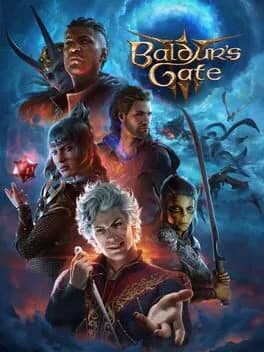
A role-playing game the size of a house move — and the two of you may carry all of it.
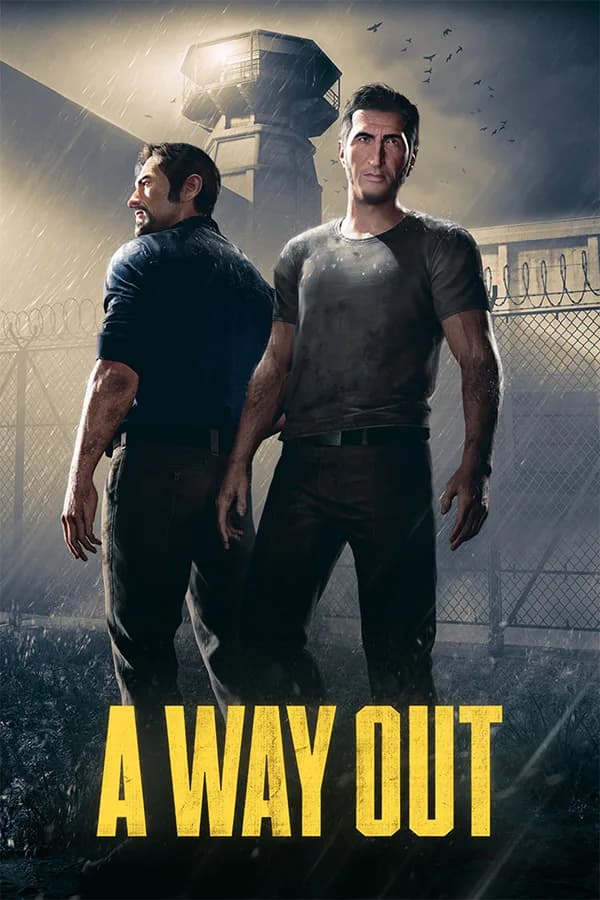
Two convicts break out. Nobody gets over that wall alone — the two of you included.
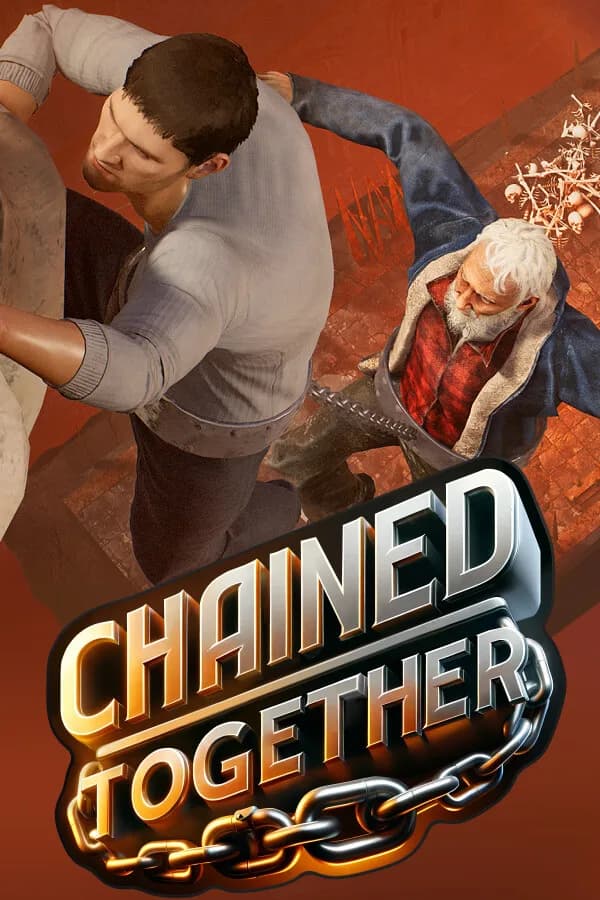
Two people, one chain, one tower upwards. Whoever falls takes the other one with them.
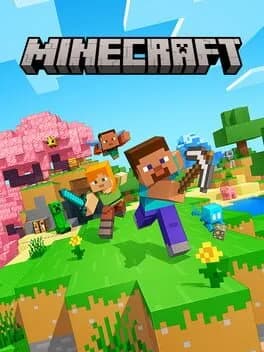
A world of cubes that belongs to you both and where nothing gets lost.
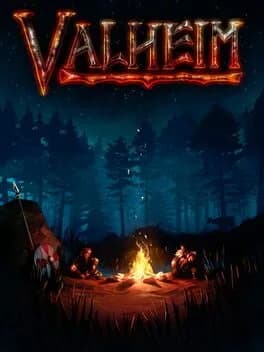
Valheim
Make a Viking world habitable as a pair: fell trees, raise a hall, put out to sea.
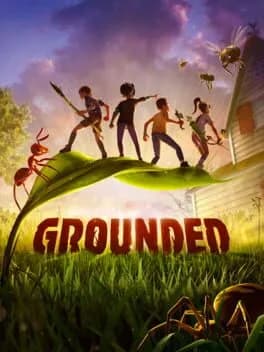
Grounded
Shrunk to the size of an ant in your own back garden: the sprinkler is now a natural disaster.
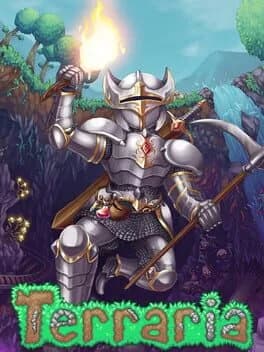
Terraria
Dig out a two-dimensional world, build it up, and clear its bosses one at a time.
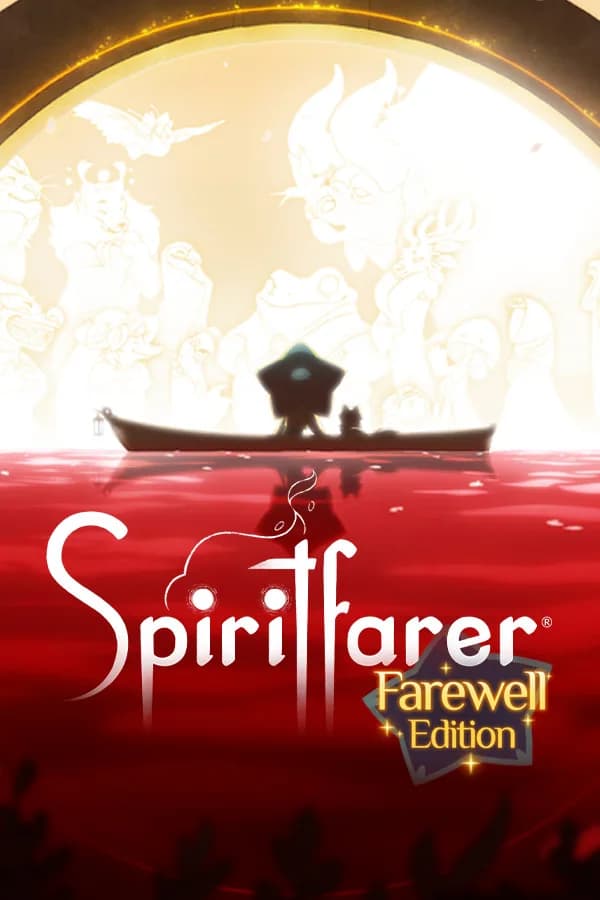
A boat that carries the departed to the afterlife, and a cat helping out.
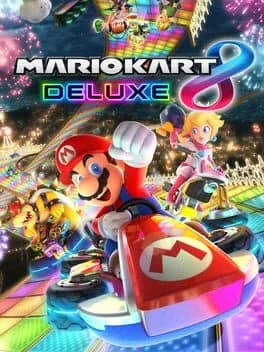
The classic for two in front of one television — and one of the few racers where beginners cannot fall off the track at all.
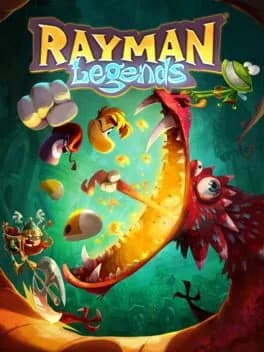
A hand-painted platformer where missing a jump costs nothing but a second.
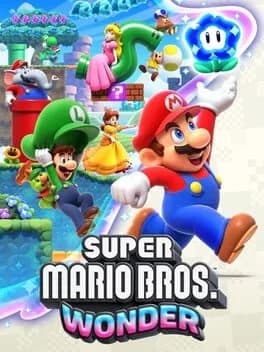
A two-dimensional Mario in which a flower rewrites the rules of the level mid-jump.
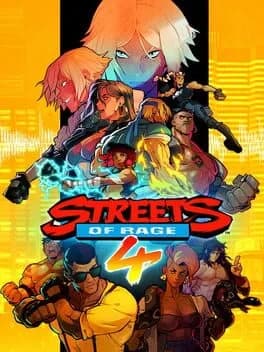
Two buttons, a street full of thugs, and a roast chicken you will end up arguing over.
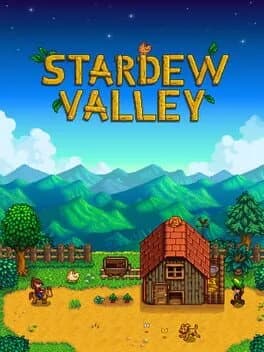
Build a farm together. Losing is not provided for; neither is stopping.
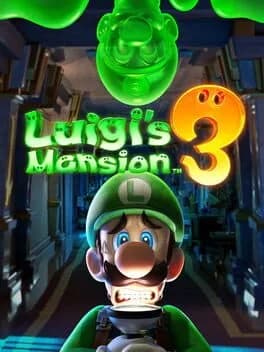
A hotel with fifteen floors, a vacuum cleaner and a second Luigi made of green slime.
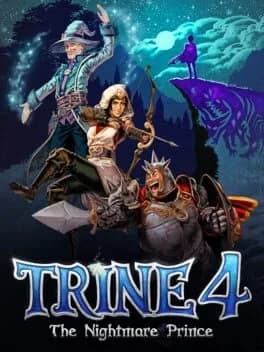
Three heroes — a wizard, a thief and a knight — and puzzle after puzzle that gets easier with two.

Separated inside a snowbound castle, connected only by a radio — and each of you sees something different.
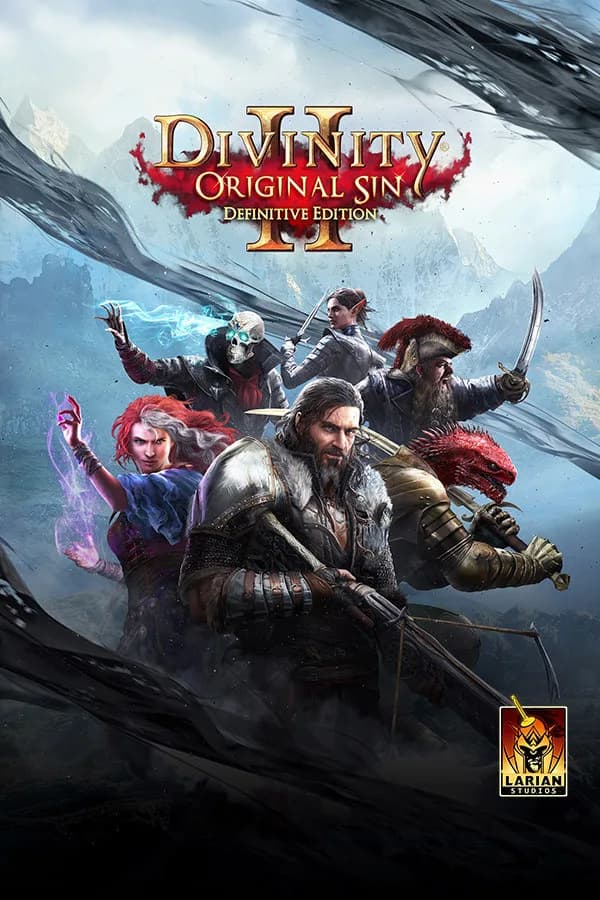
A turn-based role-playing game where the scenery is deadlier than any weapon — and where you are allowed to double-cross each other.
You build the course you then have to run yourselves — and the other one is building too.