
When one of you never plays
The usual advice is: pick something easy. It is wrong, and wrong from both directions. What actually helps are four design patterns — and a list of what does not.
25 August 2026
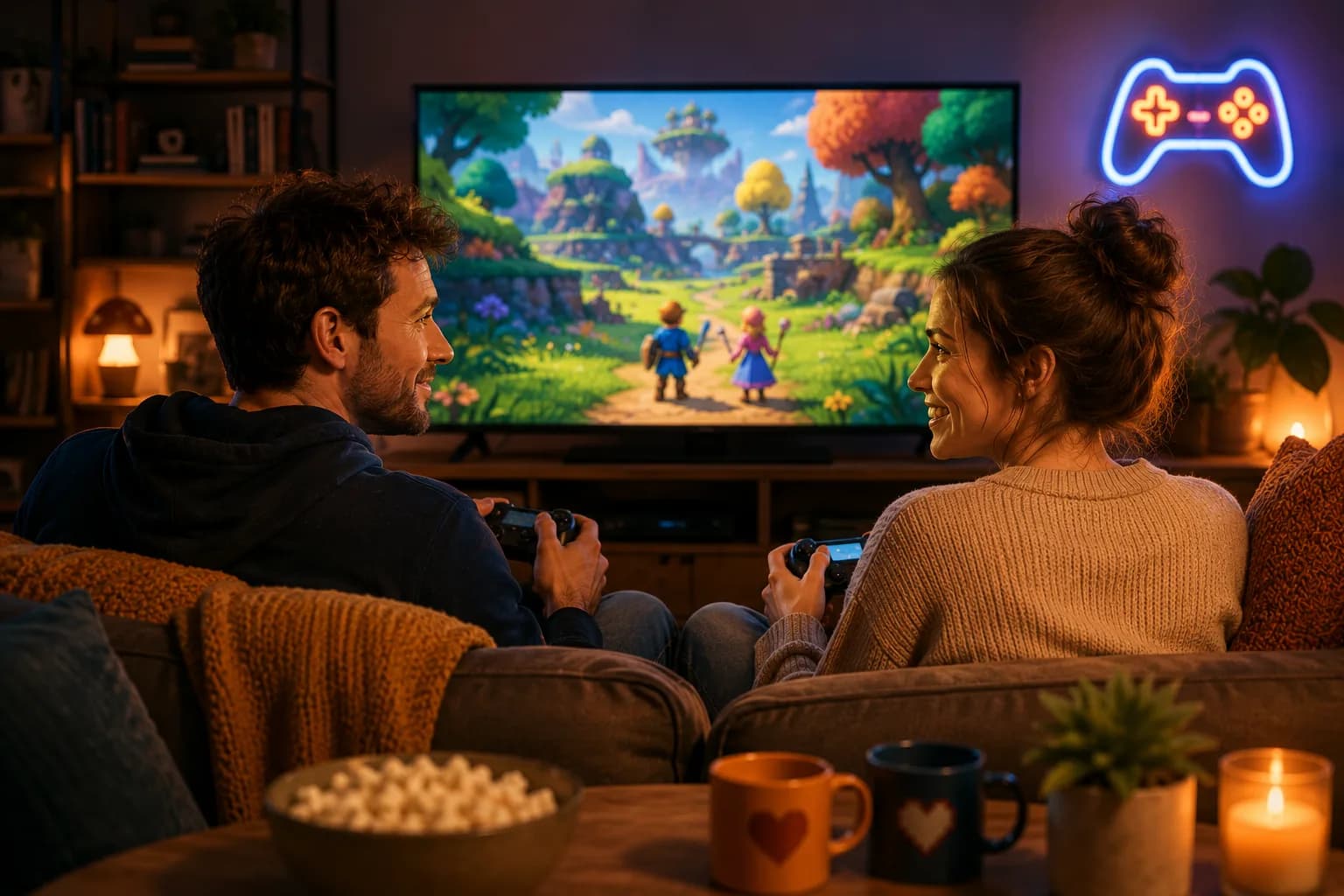
In most couples one person plays more than the other. That is the norm, not the exception — and yet nearly every recommendation list for two is written as though two equally practised people were sitting there.
The usual advice is then: pick something easy. That advice is wrong, and wrong from both directions. For the less practised person an easy game is not automatically accessible — even a gentle platformer demands jumping at the right moment. And for the practised one it is boring, which ends the evening just as reliably.
What actually works is something else: games that make the two roles differently hard. Not both easier, but each one fitting. There are four patterns for that, and we counted them one by one across the games here.
A role nobody can fail at
The simplest solution is also the best: the game gives the second person a character who can do less — and who therefore cannot do anything wrong.
In Super Mario Bros. Wonder that character is Yoshi, and he takes no damage at all. Someone who has never held a controller gets through the same levels as someone who has played Mario for thirty years. In Kirby and the Forgotten Land it is Bandana Waddle Dee: he copies no abilities but carries a spear that deals with anything in the way. And Spiritfarer takes it furthest — there the second person plays a cat who walks along, harvests and hugs, but operates no workbench.
That sounds like half a co-op, and anyone expecting two equal roles will be disappointed. Anyone who knows what they are getting, though, gets exactly the right thing: an evening where one pulls the strings and the other talks it through, picks things up and never loses to a control scheme.
Two checkboxes instead of an argument
Mario Kart 8 Deluxe has two settings hardly anybody mentions: smart steering and auto-accelerate. With both, a kart can neither fall off the track nor come to a stop. Someone who has never raced joins the same event — and is not left hopeless, because the strongest items sit deliberately at the back.
The same principle, built differently: in Super Mario 3D World the characters differ enough that the choice matters. Peach floats a little further after every jump, making her the character for anyone who has never jumped. Luigi slides and punishes overconfidence.
Each at their own level
Some games solve it by treating the two of you differently without it showing.
Borderlands 3 is the clearest example: by default each of you gets your own loot and your own difficulty. That removes the usual argument over who takes the good rifle — and equally the problem of the more practised one racing ahead until the other cannot hit anything. You can play very different amounts over two weeks and still carry on together on Friday.
Deep Rock Galactic does it openly: five difficulty levels, freely chosen before every mission. That sounds like a small thing, but it is the difference between an agreement and one person dragging the other along.
Where there is nothing to aim
The underestimated hurdle is not difficulty but controls. Someone who never plays rarely founders on the puzzle and almost always on walking and turning the camera at the same time.
That is why games without aiming often work better than easy action games. In Phasmophobia all the skill is knowledge about ghosts — nothing is ever shot. Escape Simulator has no clock, no failing and nothing that asks for reflexes. And everyone understands Snipperclips after two minutes, because the whole game consists of cutting each other into shape.
Stardew Valley belongs here for a different reason: there is no point where anyone waits and none where anyone fails. You wake up on the same farm and immediately head in different directions.
And where it does not work
The other list belongs here too.
Cuphead is superb for two — but only if you both enjoy practising the same spot twenty times. If only one of you does, the other sits beside them twenty times. Barotrauma simply wants more than two people: a submarine has more stations than two humans can man.
And wherever a first-person shooter is required, no slider helps with aiming by mouse and keyboard. Left 4 Dead 2 is a very good game and still the wrong way in.
What it comes down to
In the end the question is not how hard a game is, but whether it lets two different people in by two different doors. Where it does, the gap in practice stops mattering — and that is the whole difference between a shared evening and one where somebody watches.
This text was drafted with AI assistance and editorially reviewed.
The games in this piece
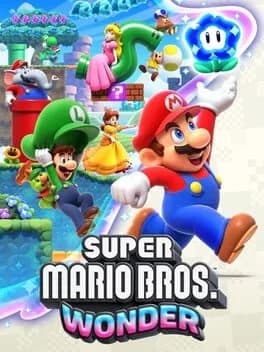
A two-dimensional Mario in which a flower rewrites the rules of the level mid-jump.
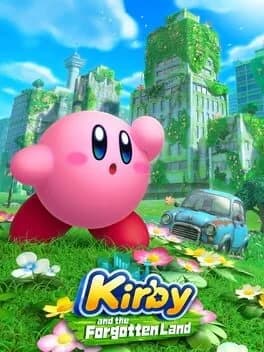
A pink ball vacuums up an abandoned world, with somebody alongside carrying a spear.
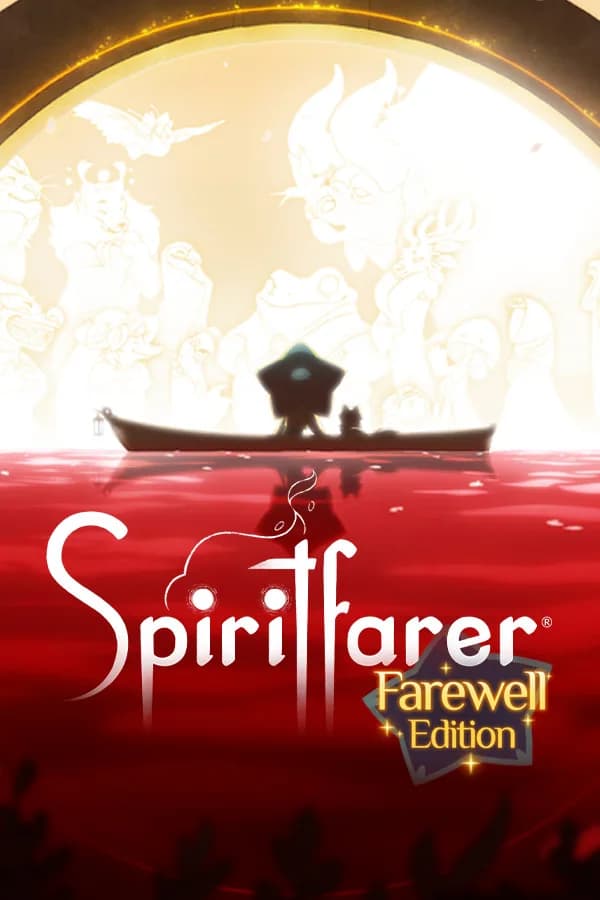
A boat that carries the departed to the afterlife, and a cat helping out.
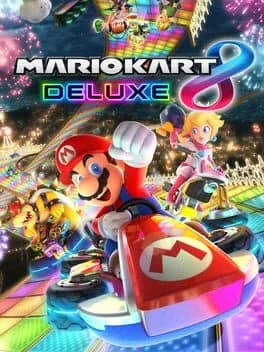
The classic for two in front of one television — and one of the few racers where beginners cannot fall off the track at all.
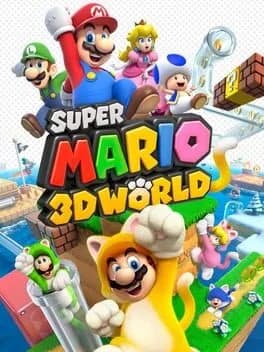
Four characters on one screen, and at the end of every level exactly one gets the crown.
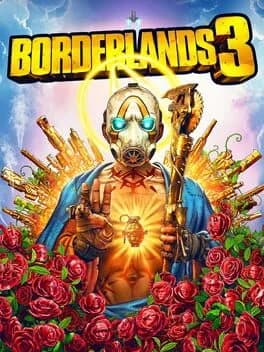
A shooter with bazillions of guns — and each of you finds your own.
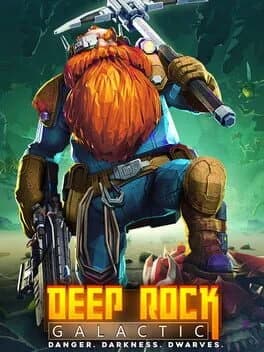
Down into dark caves as dwarves: dig, shoot, drink beer, get out again.
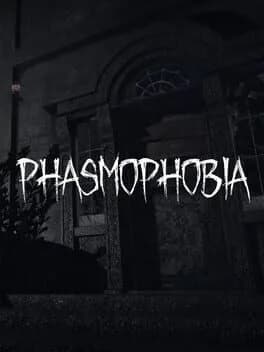
A dark house, a ghost, and instruments that tell you only half of it.
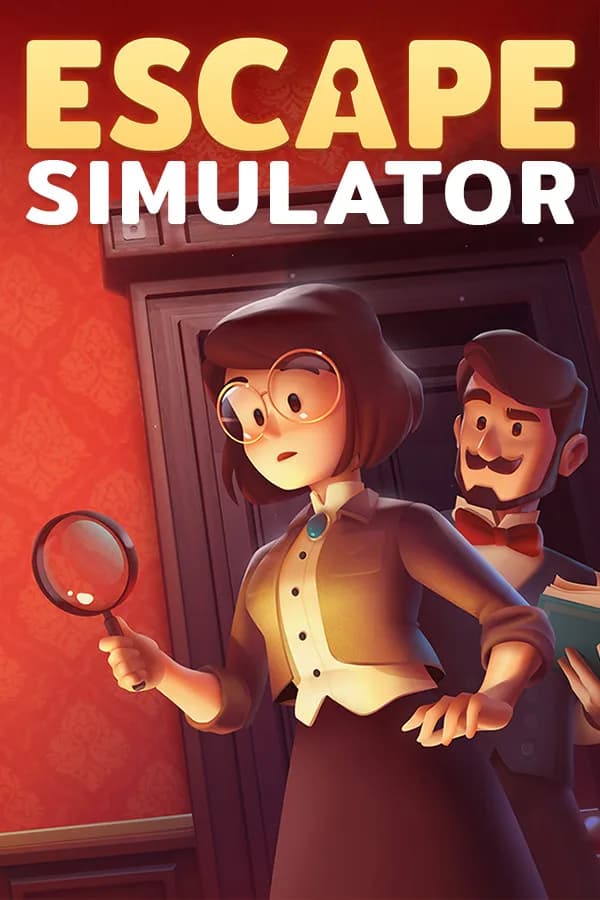
Escape rooms for the living room: pull out drawers, smash pots, find the way out.
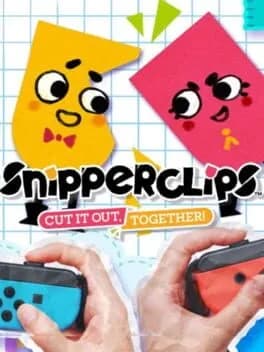
Two paper figures snip each other into whatever shape the puzzle happens to need.
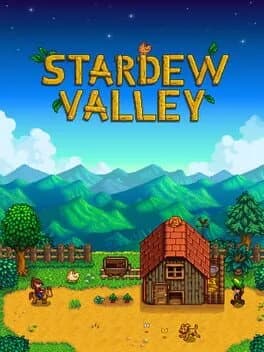
Build a farm together. Losing is not provided for; neither is stopping.
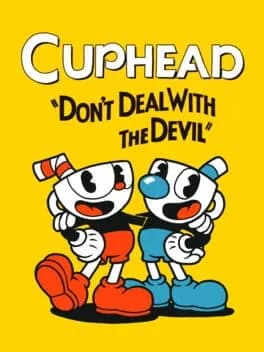
Cuphead
A hand-drawn cartoon from 1935 — and it wants you dead.
A submarine under the ice of a Jovian moon, and nobody can man every station at once.
Four survivors, five campaigns and a director that strikes somewhere new every time.